Relax does NOT equal rest
Jakub Zylka-Zebracki
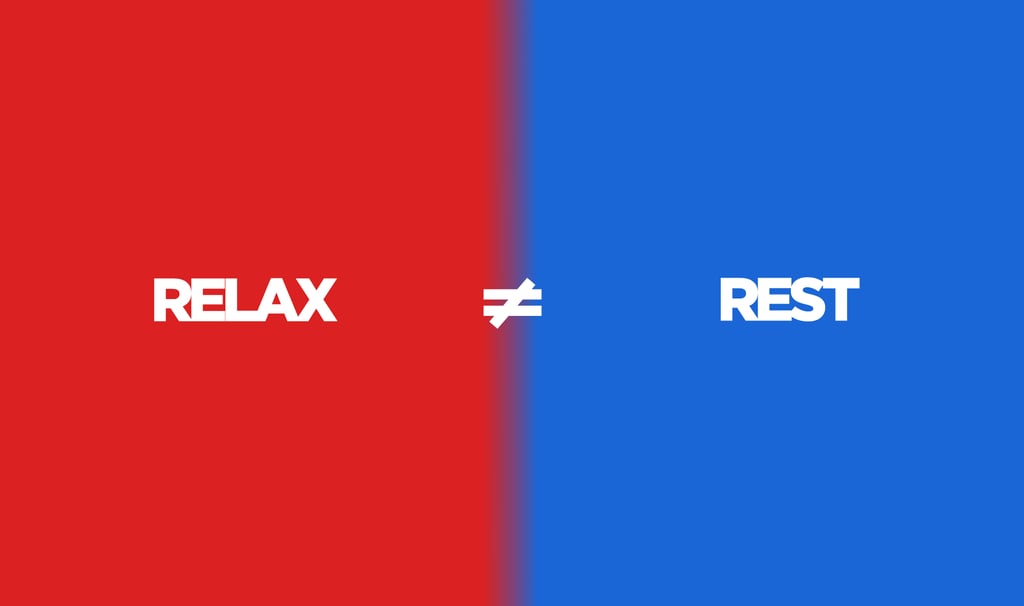
Relax does NOT equal rest
“I’ve done nothing… and I still feel exhausted.”
I hear this from almost every person I work with during recovery from Long COVID.
And the sooner we revise this, the better.
I’ve written about mindset before, so I’ll leave that aside for now.
What “doing nothing” usually means
What most people call “doing nothing” is often still activity.
Watching TV.
Listening to a podcast.
Doing a gentle hobby.
A bit of crafting.
It feels like rest.
But it isn’t.
All of these still consume energy.
TV heavily engages our brain on a cognitive level.
Crafts do the same — we’re still focused, processing, making decisions.
This is relaxing.
But it’s not rest.
What your body actually needs
With Long COVID, we need something different.
We need restorative rest.
This is the kind of rest where our system is not actively engaging, processing, or reacting.
Where energy use is as low as possible — physiologically, not just based on how it feels.
And that distinction matters.
Because something can feel easy… and still drain you.
What actually helps
There are simple ways to access this kind of rest:
Mindfulness
Body scan
Guided relaxation
Weighted blankets
Sensory quiet (noise-cancelling headphones, low light, even blindfolds)
And one of the most powerful — being bored
Being bored is almost forgotten nowadays.
But it’s one of the few states where the brain truly starts to downshift.
No stimulation. No input. No demand. No thinking.
That’s where real recovery begins.
A note on breathing
I personally use breathing exercises a lot.
But they’re not always as simple as they seem — they need to be tailored to the individual and to the stage of recovery.
That’s why I guide my clients through different approaches depending on what their system needs at that time.
The aim is simple:
Disengage your brain as much as possible and create a genuine sense of safety for your nervous system.
These periods don’t have to be long.
Sometimes they can’t be — especially if you’re working or managing daily responsibilities.
That’s where we get creative.
We look for small windows throughout the day to introduce true restorative rest.
Does it work?
Yes — when applied properly, this approach consistently supports recovery.
Because we’re not forcing anything.
We’re working with your physiology, not against it.
Is it quick?
No.
You’ve likely spent years training your system to be busy, switched on, and constantly stimulated.
One relaxation session won’t undo that.
But repeated, consistent signals of safety?
That’s where things start to shift.
When this is combined with pacing and the right structure,
people don’t just “cope” better —
they begin to stabilise, and gradually rebuild.
Try this free tool to see if you are resting or are you actually spending energy:
https://longcovidrecoveryprogramme.com/long-covid-recovery-pacing-tool
© 2026 The Integrated Long COVID Recovery ProgrammeTM All rights reserved.
Terms and Conditions